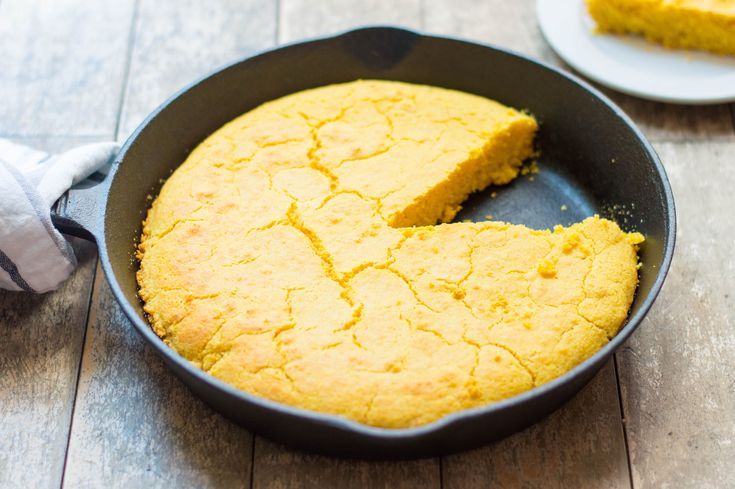
The Heart of Southern Hospitality: What Defines Southern Buttermilk Cornbread?
Step into any Southern kitchen, and you're likely to encounter the comforting aroma of freshly baked cornbread. But not just any cornbread – we're talking about the distinct, unsweetened, and wonderfully crispy variety known as
southern buttermilk cornbread. This culinary staple is a far cry from the sweet, cake-like versions often found further North. Instead, it offers a robust, earthy flavor and a satisfyingly crumbly texture, making it the perfect savory companion to almost any meal.
What sets
southern buttermilk cornbread apart? Primarily, it's the steadfast refusal to add sugar, allowing the natural sweetness of the cornmeal to shine through. This isn't a dessert; it's an essential element of a wholesome, Southern plate. Beyond its flavor profile, its preparation is intrinsically linked to the legendary cast-iron skillet, which bestows upon it that coveted, golden-brown crust and a tender, moist interior. Forget baking dishes; the cast iron is non-negotiable for achieving true Southern authenticity. It’s this combination of simple, honest ingredients and time-honored techniques that makes this cornbread a beloved icon of Southern cuisine.
Mastering the Fundamentals: Key Ingredients for Authentic Southern Buttermilk Cornbread
Creating the perfect
southern buttermilk cornbread isn't about complex techniques or exotic ingredients; it's about respecting the basics and understanding the role each component plays. Drawing from generations of Southern wisdom, a few core elements are universally championed for their transformative power.
The "Screaming Hot Skillet" & The Right Fat
The foundation of that irresistible crispy crust lies in a "screaming hot" cast-iron skillet. Before your batter even touches the pan, the skillet should be preheated in the oven until it's sizzling. This immediate searing action locks in moisture and creates that glorious golden-brown exterior. Equally important is the choice of fat. Traditionalists swear by lard or bacon grease, both of which impart an unmatched depth of flavor and contribute to the perfect crispiness. If those aren't to your taste, a good quality butter is an excellent alternative. The rendered fat creates a non-stick surface and a flavorful barrier that cooks the cornbread beautifully. For a deeper dive into this crucial element, explore our article on
Classic Southern Buttermilk Cornbread: Cast Iron Skillet Magic.
The Superiority of Stone-Ground Cornmeal
While any cornmeal can make cornbread, elevating your game means opting for quality stone-ground cornmeal. Unlike finely processed varieties, stone-ground cornmeal retains more of the corn's natural oils and a coarser, more varied texture. This translates to a richer, more pronounced corn flavor and an interesting mouthfeel that mass-produced cornmeals simply can't replicate. Many Southern cooks favor white cornmeal for its classic appearance and flavor, but a good quality yellow stone-ground cornmeal also delivers excellent results.
The Magic of Buttermilk
Buttermilk isn't just for adding tang; it's a critical player in both flavor and texture. Its acidity reacts with baking soda (the primary leavening agent in many traditional recipes) to create the airy pockets that give cornbread its tender crumb. Whole buttermilk is preferred for its richer fat content, contributing to a more moist and flavorful end product.
The Flour Debate: To Add or Not to Add?
While some purists insist on a flourless recipe, many contemporary Southern cooks, following in the footsteps of their grandmothers, incorporate a small amount of all-purpose flour. The addition of flour, with its gluten content, creates a slightly lighter, less crumbly texture. It helps bind the mixture more effectively, resulting in a cornbread that still maintains its integrity without becoming dense or cake-like. The reference context highlights that a little flour can produce a "lighter texture" that "just tastes better" to some, offering a pleasant middle ground between extreme crumbliness and cake-like density. Ultimately, it’s a matter of personal preference, but adding a touch of flour can indeed refine the texture while staying true to the savory essence of
southern buttermilk cornbread.
From Skillet to Table: Techniques for Unbeatable Unsweetened & Crispy Cornbread
Achieving that perfect balance of crispy crust and tender interior in your
southern buttermilk cornbread goes beyond just the ingredients; it involves a few key techniques passed down through generations.
The Art of Mixing (or Not Over-Mixing)
Once your hot skillet is ready and your ingredients are gathered, the mixing process is surprisingly straightforward. The golden rule: *do not overmix*. Combine your dry ingredients (cornmeal, flour if using, baking soda, salt) thoroughly. Then, whisk in the buttermilk and egg just until everything is moistened. A few lumps are perfectly fine and even desirable; overmixing develops the gluten in the flour (if used) too much, which can lead to a tough cornbread instead of a tender one.
Achieving the Desired Texture
If you find your cornbread is consistently too crumbly for your liking, the solution is simple: adjust the ratio of cornmeal to flour. By slightly increasing the amount of flour and proportionally decreasing the cornmeal, you introduce more gluten, which acts as a binder, holding the cornbread together more firmly. This tweak allows for a more stable slice that still maintains its authentic flavor and unsweetened charm.
Serving Your Southern Masterpiece
One of the joys of
southern buttermilk cornbread is its versatility. Serve it straight from the oven, cut into wedges, with a generous pat of butter melting into each warm piece. It’s an ideal partner for hearty Southern dishes like collard greens, black-eyed peas, or a steaming bowl of chili. It also forms the base for incredible cornbread stuffing, adding a depth of flavor that ordinary bread cannot.
For a true "old school" experience, emulate Papa Jim from our reference context (though perhaps without his exact enthusiasm!) by crumbling a piece into a mug and adding a splash of fresh buttermilk. While this tradition might seem peculiar to some, it speaks to the cornbread's fundamental role as a simple, nourishing staple. Beyond these, consider pairing it with fried chicken and mashed potatoes, pork chops and rice, or cubed steak and macaroni and cheese. It’s truly a universal side dish in the South, fitting almost anywhere biscuits aren't already stealing the show. For more traditional wisdom and actionable advice, you might find inspiration in
Granny's Guide to Perfect Southern Buttermilk Cornbread.
More Than a Side: The Enduring Legacy of Southern Buttermilk Cornbread
Southern buttermilk cornbread is more than just a recipe; it’s a cornerstone of Southern identity, a culinary time capsule that connects generations. Its enduring popularity stems from a blend of practicality, tradition, and pure, unadulterated comfort. Historically, cornbread was a cheap and easy way to feed families, utilizing readily available and affordable ingredients. This economic accessibility cemented its place on dinner tables, not as an occasional treat, but as a daily necessity.
This humble bread embodies the spirit of Southern hospitality – simple, generous, and deeply comforting. It evokes memories of grandmother’s Sunday dinners, of butter melting into a warm piece, of sharing a meal with loved ones. It’s a dish that needs little tweaking; its perfection lies in its straightforward nature. Whether served in wedges, sticks (favored for their higher crispy-to-tender ratio), or crumbled into a glass of buttermilk, it speaks of home, heritage, and the authentic, unsweetened taste of the South.
Embrace the Unsweetened Goodness
The journey through the world of
southern buttermilk cornbread reveals a culinary tradition steeped in flavor, history, and genuine warmth. From the "screaming hot" cast-iron skillet that yields its signature crispy crust to the nuanced choice of stone-ground cornmeal and the indispensable role of buttermilk, every element contributes to an experience unlike any other. This unsweetened, savory staple proves that true deliciousness often lies in simplicity and authenticity. We encourage you to try your hand at crafting this iconic Southern dish. You’ll not only be baking a piece of cornbread but also carrying forward a cherished culinary legacy, discovering the real, unadulterated taste of the South.