The Irresistible Allure of Classic Southern Buttermilk Cornbread
There’s a culinary magic that happens when simple ingredients meet a screaming hot cast iron skillet, and nowhere is this more evident than with classic
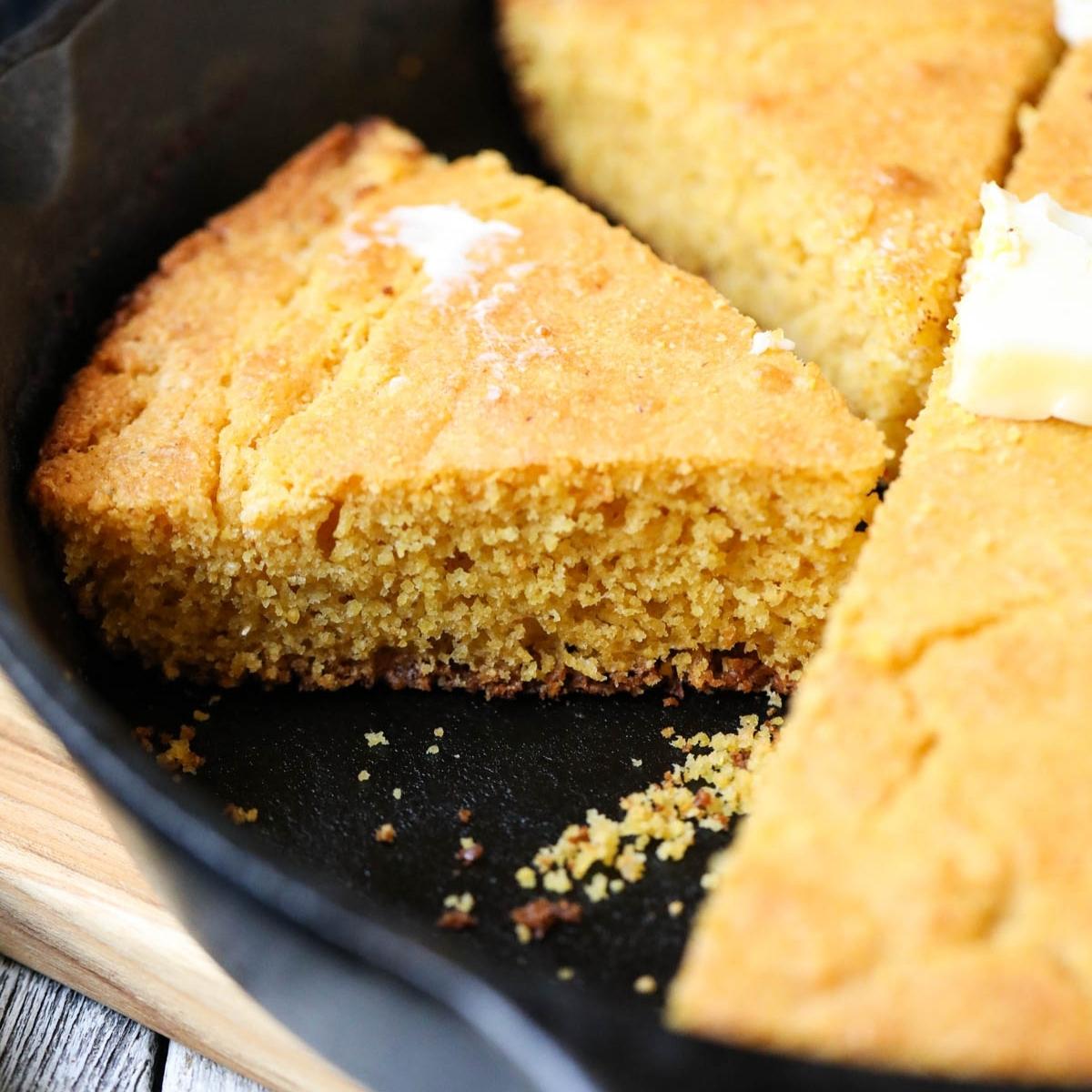
southern buttermilk cornbread. Forget the sweet, cake-like versions you might encounter elsewhere; true Southern cornbread is a different beast entirely. It's a culinary cornerstone, deeply woven into the fabric of Southern cuisine, renowned for its distinct unsweetened profile, robust corn flavor, and that utterly irresistible crispy crust. This isn't just a side dish; it's an experience, a taste of tradition, and a comforting staple that has graced countless family tables for generations. If you're ready to unlock the secrets to this beloved Southern classic, prepare to embark on a journey that celebrates authenticity, flavor, and the undeniable charm of cast iron skillet cooking.
Unsweetened Perfection: The Defining Characteristic of Southern Cornbread
What truly sets
southern buttermilk cornbread apart from its Northern counterparts is its resolute commitment to being unsweetened. While many modern or regional cornbread recipes lean towards a sweeter, dessert-like profile, Southern tradition dictates a savory approach. This isn't an oversight; it's a deliberate choice that transforms cornbread into the perfect accompaniment for a vast array of hearty, savory meals. Its subtle corn flavor acts as a palate cleanser, a textural contrast, and a perfect vehicle for soaking up the delicious juices of whatever it's served alongside.
Imagine a wedge of warm, savory cornbread fresh from the oven, its slight tang from the buttermilk complementing a robust bowl of chili or a plate of tender collard greens. It's this lack of sweetness that makes it so versatile, allowing it to seamlessly integrate into almost any Southern dinner. Beyond serving it with classic dishes like black-eyed peas or a rich pot roast, some "old school" aficionados still swear by crumbling pieces into a mug and enjoying it with a splash of cold buttermilk – a surprisingly refreshing and traditional snack that speaks volumes about its humble origins. This distinctive unsweetened quality is a hallmark of authentic Southern cooking, emphasizing the natural flavor of the cornmeal and its ability to enhance, rather than overpower, a meal. For a deeper dive into this essential characteristic, explore
Unsweetened & Crispy: The Real Taste of Southern Cornbread.
The Cast Iron Skillet: Your Secret Weapon for Crispy Perfection
The cast iron skillet isn't just a cooking vessel for
southern buttermilk cornbread; it's an indispensable component of the magic. Many Southern cooks, often taught by their grandmothers, will tell you that a "screaming hot" skillet is one of the three non-negotiable elements for achieving perfection. And they're absolutely right. The high thermal mass of cast iron, when preheated properly, creates an incredibly hot surface that instantly sears the cornbread batter upon contact. This rapid heat transfer is what’s responsible for the signature crispy, golden-brown crust that defines true Southern cornbread.
Before pouring in your batter, the skillet should be heated in the oven until it’s smoking hot – typically around 400-450°F (200-230°C). Crucially, the skillet needs to be generously greased with lard, bacon grease, or butter *before* it gets hot. As the fat heats up, it creates an even, non-stick, and incredibly flavorful barrier. When the batter hits this sizzling surface, it immediately begins to crisp and develop that coveted crust, providing a delightful textural contrast to the tender, moist interior. The difference between cornbread baked in a baking dish and one born from a fiery cast iron skillet is like night and day. The skillet not only provides superior heat distribution but also imparts a subtle, rustic flavor that simply cannot be replicated. Whether you prefer traditional wedges or the higher crisp-to-crumb ratio of cornbread sticks, the cast iron skillet is your essential tool for achieving that iconic Southern crunch.
Unveiling the Essential Ingredients for Authentic Flavor
Crafting the perfect
southern buttermilk cornbread relies on a handful of humble yet essential ingredients, each playing a crucial role in achieving its unique flavor and texture.
*
Quality Cornmeal: The Heart of the Matter
The most important ingredient is, unequivocally, the cornmeal. For an authentic taste and a more interesting, varied texture, splurge on good quality,
stone-ground white cornmeal. Unlike finely milled, degerminated yellow cornmeal, stone-ground varieties retain more of the corn’s natural oils and germ, resulting in a richer, more complex flavor and a texture that’s wonderfully toothsome rather than uniformly fine. While some recipes might call for yellow cornmeal, many traditional Southern cooks, particularly from the Deep South, insist on white cornmeal for its characteristic flavor and appearance.
*
Whole Buttermilk: The Tangy Tenderness Factor
Whole buttermilk is another non-negotiable. Its natural acidity reacts with the leavening agents (baking soda and baking powder) to create a beautifully tender crumb and a slight tang that is fundamental to the Southern profile. This acidity also helps to break down the gluten in the flour, preventing the cornbread from becoming tough. Using anything less than whole buttermilk will compromise both flavor and texture.
*
Leavening Agents and Eggs: Structure and Lift
Baking soda and baking powder work in tandem with the buttermilk to give the cornbread its lift and airy texture. Eggs bind the ingredients together, providing structure and richness. The number of eggs can vary slightly between recipes, with some adding more for a moister, more cohesive crumb.
*
The Flour Debate: Lighter Texture vs. Purity
While some purists advocate for a "no-flour" approach, many Southern cooks, including fourth-generation experts, have found that adding a small amount of all-purpose flour significantly improves the texture. It introduces a touch of gluten, which helps to bind the cornmeal, making the cornbread less crumbly and giving it a lighter, more tender crumb without sacrificing its essential character. It’s a subtle tweak that, for many, elevates the experience.
*
Fat: Flavor and Crispness
Whether it’s melted lard, bacon grease, or unsalted butter, a good amount of fat is crucial for both flavor and that iconic crispy crust. Many Southern cooks save their bacon grease specifically for this purpose, as it imparts an unparalleled savory depth to the cornbread.
Mastering the Art: Tips for Your Best Batch Yet
Achieving that perfect
southern buttermilk cornbread is a journey that’s both simple and nuanced. Here are some actionable tips to ensure your homemade cornbread is nothing short of spectacular:
*
Preheat Your Skillet Right: This cannot be stressed enough. Place your cast iron skillet (with your chosen fat inside) into the oven *before* you start mixing your batter. Let it heat up for at least 15-20 minutes at 400-450°F (200-230°C) until it's shimmering and smoking slightly. This initial blast of heat is what creates the golden, crispy crust.
*
Don't Overmix: Cornbread batter should be mixed just until the dry ingredients are moistened. A few lumps are perfectly fine. Overmixing can develop the gluten in the flour (if using) and lead to a tougher, less tender cornbread.
*
Use Room Temperature Ingredients: While not as critical as with cakes, ensuring your buttermilk and egg are at room temperature can help them incorporate more smoothly into the batter, leading to a more consistent texture.
*
Adjust Crumblyness: If you find your cornbread is consistently too crumbly, increase the amount of flour slightly (while proportionally decreasing the cornmeal) in your next batch. The added gluten will help hold the mixture together.
*
The Taste Test: Don't be afraid to experiment with the type of cornmeal. While white stone-ground is traditional, different brands and grinds will impart slightly different flavors and textures. Find what you love!
*
Embrace the Grease: Don't skimp on the lard, bacon grease, or butter in your skillet. It's essential for flavor and that beautiful crust. If you don't have bacon grease, lard is an excellent alternative, followed by butter.
Serving Your Culinary Masterpiece
Once your
southern buttermilk cornbread emerges from the oven, golden and fragrant, the serving possibilities are endless. It's best served warm, cut into wedges, with a pat of butter melting into its tender crumb. It’s the quintessential partner for classic Southern meals like slow-cooked pinto beans, hearty chili, rich collard greens, or a crispy plate of fried chicken with mashed potatoes. It also pairs beautifully with pork chops and rice, or cubed steak and macaroni and cheese. It’s even fantastic used to make a savory cornbread dressing for holiday meals. For more insights on perfecting this generational skill, be sure to check out
Granny's Guide to Perfect Southern Buttermilk Cornbread.
In the end, this simple, yet profoundly satisfying, dish offers a taste of heritage and hospitality. Its humble ingredients and straightforward preparation belie a depth of flavor and tradition that makes it a true Southern icon.
Conclusion
The journey to making authentic
classic Southern buttermilk cornbread is a rewarding one, steeped in tradition and simple, honest flavors. It’s a testament to how a few basic ingredients, combined with the irreplaceable magic of a cast iron skillet and a little know-how, can create something truly extraordinary. Far from a sweet, cake-like confection, this is a savory, crumbly, and utterly satisfying bread, designed to complement and complete a hearty meal. By embracing the unsweetened profile, prioritizing quality stone-ground cornmeal, and mastering the art of the "screaming hot" cast iron skillet, you're not just baking cornbread; you're preserving a cherished culinary legacy. So go ahead, preheat that skillet, mix your batter, and prepare to bring a piece of Southern comfort straight to your own kitchen.