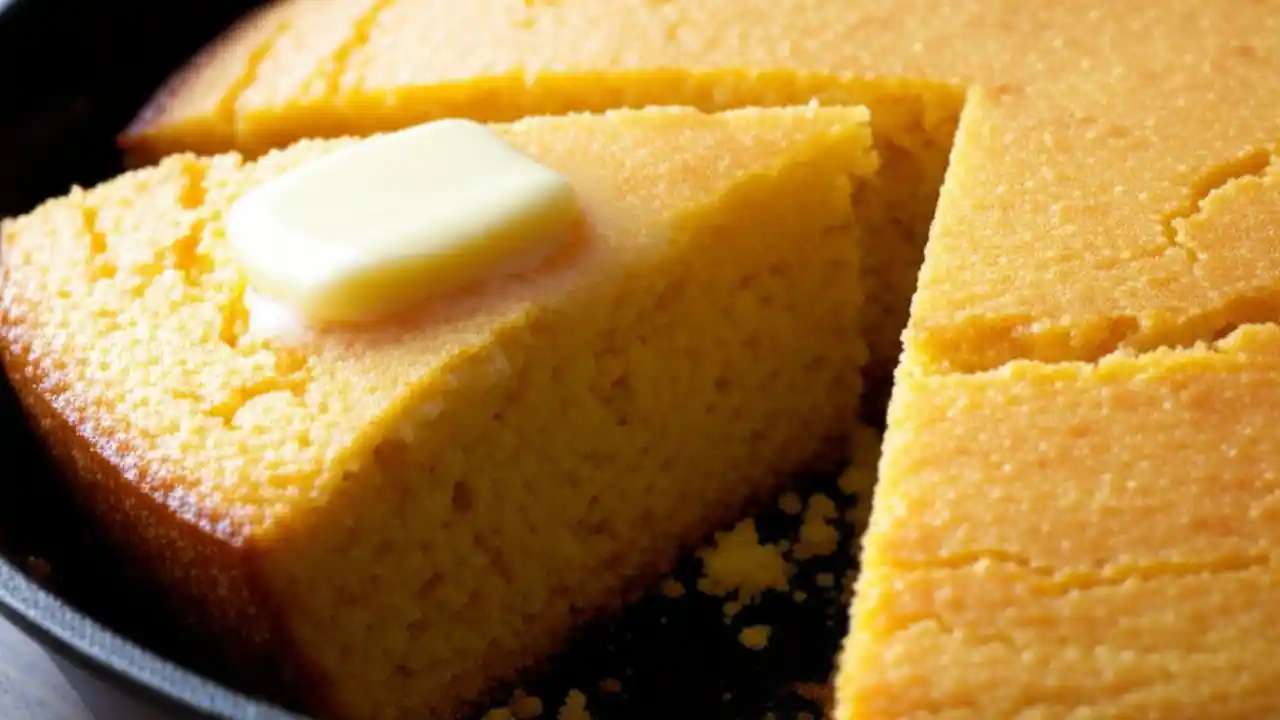
Granny's Guide to Perfect Southern Buttermilk Cornbread: A Taste of Tradition
Few dishes evoke the warmth and nostalgia of a Southern kitchen quite like a perfectly baked batch of
southern buttermilk cornbread. It’s more than just a side dish; it's a culinary cornerstone, a testament to simplicity and flavor passed down through generations. If you've ever dreamt of recreating that slightly crispy, buttery, tender-centered cornbread that tastes straight from your grandmother's table, you've come to the right place. This isn't about sweet, cake-like imposters; this is a deep dive into the authentic, unsweetened tradition that defines real Southern cornbread.
My own Granny, a fourth-generation Southern cook, swore by a few non-negotiable truths when it came to her cornbread. She believed that the soul of true
southern buttermilk cornbread lay in its integrity – honest ingredients, a scorching hot skillet, and a method honed by decades of love and practice. She taught me early that while many things in life can be rushed, good cornbread requires patience and respect for tradition. So, pull up a chair, and let's uncover the secrets to making cornbread that would make any Southern granny proud.
Why Southern Buttermilk Cornbread Stands Apart
The world of cornbread is vast, but the Southern variety holds a distinct place. Unlike its often-sweetened Northern counterparts, which lean towards a cake-like consistency and are typically baked in a regular baking dish, authentic
southern buttermilk cornbread is savory, robust, and gloriously crumbly. This fundamental difference isn't just a matter of preference; it's a reflection of its purpose. In the South, cornbread serves as a faithful companion to rich, savory meals – a simple, honest bread designed to soak up pot liquor, complement a stew, or cut through the richness of fried meats.
The absence of sugar is key here, allowing the true, earthy flavor of the cornmeal to shine. This makes it incredibly versatile, whether you're crumbling it into a hearty bowl of chili, serving it alongside slow-cooked collard greens, or using it as the foundation for a flavorful stuffing. It's a culinary palate cleanser and an absorbent sponge, ready to embrace the flavors of whatever it's served with, rather than competing with them. This commitment to an unsweetened profile is one of the pillars of its identity, ensuring it remains an ideal savory side and a beloved staple. For a deeper dive into this key distinction, explore our article on
Unsweetened & Crispy: The Real Taste of Southern Cornbread.
The Sacred Ingredients: Building Blocks of Authenticity
While the concept of cornbread might seem simple, the choice of ingredients for
southern buttermilk cornbread is anything but casual. Each component plays a vital role in achieving that perfect texture and unforgettable flavor.
*
Quality Stone-Ground Cornmeal: This is arguably the most crucial ingredient. Granny insisted on white, stone-ground cornmeal, and for good reason. Stone-ground varieties offer a richer, more complex corn flavor and an appealing, varied texture that simply can't be replicated by finely ground, degerminated cornmeal. The subtle differences in grind and the presence of some of the corn germ contribute to a depth of flavor that is unparalleled. Splurge on this if you can; it makes all the difference.
*
Whole Buttermilk: Beyond just providing a tangy flavor, buttermilk is essential for several reasons. Its acidity reacts with baking soda, creating the leavening that gives cornbread its lift and tender crumb. Whole buttermilk also contributes richness and moisture, resulting in a more tender and flavorful loaf. Don't skimp and use a low-fat version if you want truly authentic results.
*
The Essential Fat (Lard, Bacon Grease, or Butter): This is where much of the signature crispy, buttery crust comes from. A generous dollop of rendered bacon grease (Granny's favorite), lard, or butter melted in the skillet before the batter goes in not only prevents sticking but also fries the edges of the cornbread, creating that irresistible golden crust. Each fat imparts a slightly different flavor profile, with bacon grease offering a smoky depth that many Southerners adore.
*
A Touch of Flour: While some traditionalists insist on an all-cornmeal recipe, many Southern cooks, including my Granny, found that adding a small amount of all-purpose flour improved the texture. The gluten in the flour provides a bit more structure, preventing the cornbread from being excessively crumbly while still maintaining its characteristic tenderness. It creates a lighter, slightly less dense result that many find preferable. If you find your cornbread is consistently too crumbly, slightly increasing the flour and proportionally decreasing the cornmeal can help.
*
Leavening Agents and Eggs: Baking soda (activated by the buttermilk) is critical for lift, and sometimes a touch of baking powder is added for extra measure. Eggs act as a binder, helping to hold the cornbread together and contributing to its moistness.
The Cast Iron Skillet Magic: A Screaming Hot Secret
If there's one non-negotiable tool for making truly superb
southern buttermilk cornbread, it's the cast-iron skillet. And not just any skillet; one that's been lovingly seasoned over years, developing a naturally non-stick surface and a soul that infuses every dish cooked in it. The secret, as Granny would say, is a "screaming hot" skillet.
Here's why this matters:
1. **The Perfect Crust:** When you pour the batter into a preheated cast-iron skillet that already contains melted, sizzling hot fat, the immediate searing action creates that legendary crispy, golden-brown crust that defines Southern cornbread. Without this intense heat, you simply won't achieve that textural contrast between the crunchy exterior and the tender interior.
2. **Even Cooking:** Cast iron retains and distributes heat exceptionally well, ensuring that your cornbread cooks evenly throughout, from the edges to the center.
3. **Flavor Infusion:** The residual fat from the skillet, especially if it's bacon grease, infuses the bottom and edges of the cornbread with incredible flavor.
To achieve this "screaming hot" effect, place your empty cast-iron skillet in the oven as it preheats. Once the oven reaches temperature, carefully remove the hot skillet, add your chosen fat (lard, bacon grease, or butter), swirl to coat, and then immediately pour in your prepared batter. The sizzle and smoke are signals that you're on the right track. For an in-depth look at mastering this technique, be sure to read
Classic Southern Buttermilk Cornbread: Cast Iron Skillet Magic.
Granny's Tried-and-True Tips for Cornbread Perfection
Beyond the right ingredients and the magic skillet, there are subtle nuances that elevate good cornbread to extraordinary. These are the whispers of wisdom passed down through generations:
*
Don't Overmix: This is a cardinal rule for almost any quick bread, and cornbread is no exception. Mix your wet and dry ingredients just until combined. A few lumps are perfectly fine. Overmixing develops the gluten in the flour (if you use it), leading to a tough, dry cornbread. The goal is a tender, crumbly texture.
*
Patience with Preheat: Resist the urge to rush. Allow your oven and, more importantly, your cast-iron skillet, to reach the full specified temperature. This ensures the immediate sizzle and perfect crust development.
*
Keep it Unsweetened: Reiterate this mantra. The beauty of
southern buttermilk cornbread lies in its savory profile. If you're craving something sweet, you're looking for a different kind of bread altogether.
*
Serve it Fresh: While leftover cornbread can be repurposed (hello, cornbread dressing!), it is undeniably at its peak moments after it emerges from the oven. The crust is crispiest, the interior is most tender, and the butter melts into each warm wedge like a dream.
*
Embrace the Crumble (Mostly): Southern cornbread is meant to be somewhat crumbly. It’s part of its charm. However, if you find it disintegrates too easily, a slight adjustment to your flour-to-cornmeal ratio (increasing flour slightly, decreasing cornmeal) can provide more structural integrity without sacrificing its essence.
Beyond the Skillet: Serving Your Southern Masterpiece
Once your golden-brown masterpiece emerges from the oven, cut into wedges (or sticks, if you used a stick pan – the higher crispiness-to-softness ratio is a delight!), the real enjoyment begins. The beauty of
southern buttermilk cornbread is its incredible versatility as a savory companion.
Traditionally, it's served alongside:
*
Classic Southern Meals: Think fried chicken, mashed potatoes, succulent pork chops with rice and gravy, or a hearty cubed steak with macaroni and cheese.
*
Soups and Stews: Crumble it into a big bowl of chili, black-eyed pea soup, or a rich beef stew. It's excellent for soaking up every last drop of flavorful broth.
*
Greens and Beans: A piece of cornbread is the quintessential accompaniment to collard greens, turnip greens, or a bowl of butter beans, ready to sop up all that delicious "pot liquor."
*
As Cornbread Stuffing/Dressing: Let stale cornbread be reborn as the star of your holiday dressing, absorbing rich broths and spices.
*
The "Old School" Way: For a true taste of tradition, try crumbling a fresh piece into a mug and adding a few splashes of buttermilk. It might sound unusual to some, but it’s a time-honored Southern snack.
Conclusion
Making perfect
southern buttermilk cornbread is more than just following a recipe; it's about embracing a tradition, understanding the "why" behind each ingredient and technique, and connecting with a culinary heritage. From the quality of your cornmeal to the screaming hot cast-iron skillet, every step contributes to that unmistakable taste of home. This guide, inspired by generations of Southern cooks, aims to empower you to create cornbread that is truly authentic – crispy, tender, and deeply satisfying. So go ahead, don your apron, heat that skillet, and bring a piece of Southern comfort to your table. Your taste buds, and perhaps even your own Granny, will thank you.